
Key Takeaways
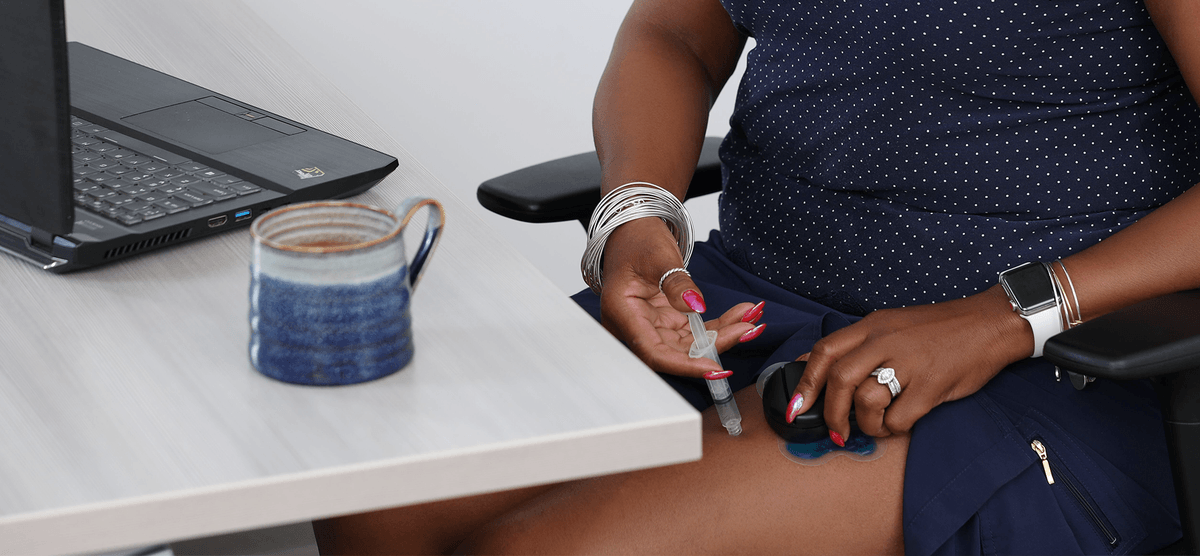
- Recent published research found that Buzzy can significantly reduce pain during canakinumab (biologic) injections.
- Injection pain is one of several barriers that can make home biologic therapy more difficult for patients.
- Needle pain and post-injection soreness are different experiences and should be addressed differently.
- Clinicians can empower patients with evidence-based education and practical resources for their first home injection to help foster confidence, minimize anxiety, and support long-term treatment adherence.
Table of Contents
- Why Injection Pain Matters More Than Many Clinicians Realize
- What the Latest Research Shows About Reducing Biologic Injection Pain
- How to Help Patients Succeed With Home Biologic Injections
- Clinician Quick Reference Checklist
- Making Pain Management Part of Biologics Onboarding
- Frequently Asked Questions About Home Biologic Injection Pain
When Effective Treatment Isn't Enough
Biologic therapies have transformed care for patients with chronic inflammatory disease. But for many, the greatest obstacle is not deciding to start treatment. It is facing repeated self-injection at home.
I have spent decades studying procedural pain. The most important concept to get to successful biologic therapy is this: pain and fear shape behavior.
A painful or stressful first injection can increase anticipatory anxiety, making each future dose feel more difficult. Anxiety can cause delay of the next dose. A comfortable first experience can do the opposite: build confidence.
Injection pain is not something patients should simply be expected to push through. A growing body of evidence, including a recent independent study of children receiving biologic therapy, shows practical interventions can reduce pain during injections.
For clinicians, that creates an opportunity. By addressing pain and fear during prescribing, we can help patients approach home injections with greater confidence and support a more successful treatment experience over time.
Why Injection Pain Matters More Than Many Clinicians Realize
As clinicians, we spend a great deal of time helping patients choose the right biologic and teaching them how to administer it safely. What we don't always have time to address is how they're going to feel when they give themselves that first injection at home. After all - we don’t mind shots. We’re doctors.
Research shows the first home experience is the alterable moment that matters most.
Many patients bring previous needle experiences with them. A difficult vaccination, years of blood draws, or painful injections for another condition can influence how they approach a new biologic. Even highly motivated patients can feel overwhelmed by the thought of repeated self-injection.
Biologic injections present a unique challenge because the discomfort isn't always caused by the needle alone.
Depending on the medication, patients may experience burning or stinging from the formulation itself, while factors like injection speed, tissue pressure, muscle tension, and anxiety can all influence how painful the experience feels. It's also important to distinguish needle pain during the injection from soreness or injection-site reactions afterward. They have different causes and often require different approaches.
When a patient says, "I'm nervous about giving myself a shot," they're usually asking for more than a lesson in injection technique. They’re afraid of messing up, wasting expensive medicine, and they genuinely don’t know if they’ll be able to push the needle in. Beyond this, they're asking whether the pain and anxiety becomes manageable after repeat exposure, or the bravery they muster for the first injection will continue or fizzle.
Procedural comfort MUST be part of every biologic treatment onboarding conversation. We need to make the conversation safe to have, which can be hard when you are more used to professional impatience rather than empathy for needle fear. When we help patients reduce pain and anxiety before the first home injection, we help build the confidence that supports long-term adherence.
The encouraging news is that we now have growing evidence showing that these conversations, and the interventions that accompany them, can make a meaningful difference.
What the Latest Research Shows About Reducing Biologic Injection Pain
For many years, injection pain has often been treated as an unavoidable part of biologic therapy. Clinicians can prepare patients, teach proper technique, and set realistic expectations, but those conversations don't change how the full experience feels.
Before, the teaching was about encouragement, context, preparation, and focusing on the outcome. It was supporting an injection, rather than switching to a less effective oral therapy if one even existed. Now there’s a chance for a more direct way to help.
Can we reduce procedural pain without changing the biologic medication at all?
A recently published randomized study of children receiving canakinumab for Familial Mediterranean Fever suggests the answer is yes.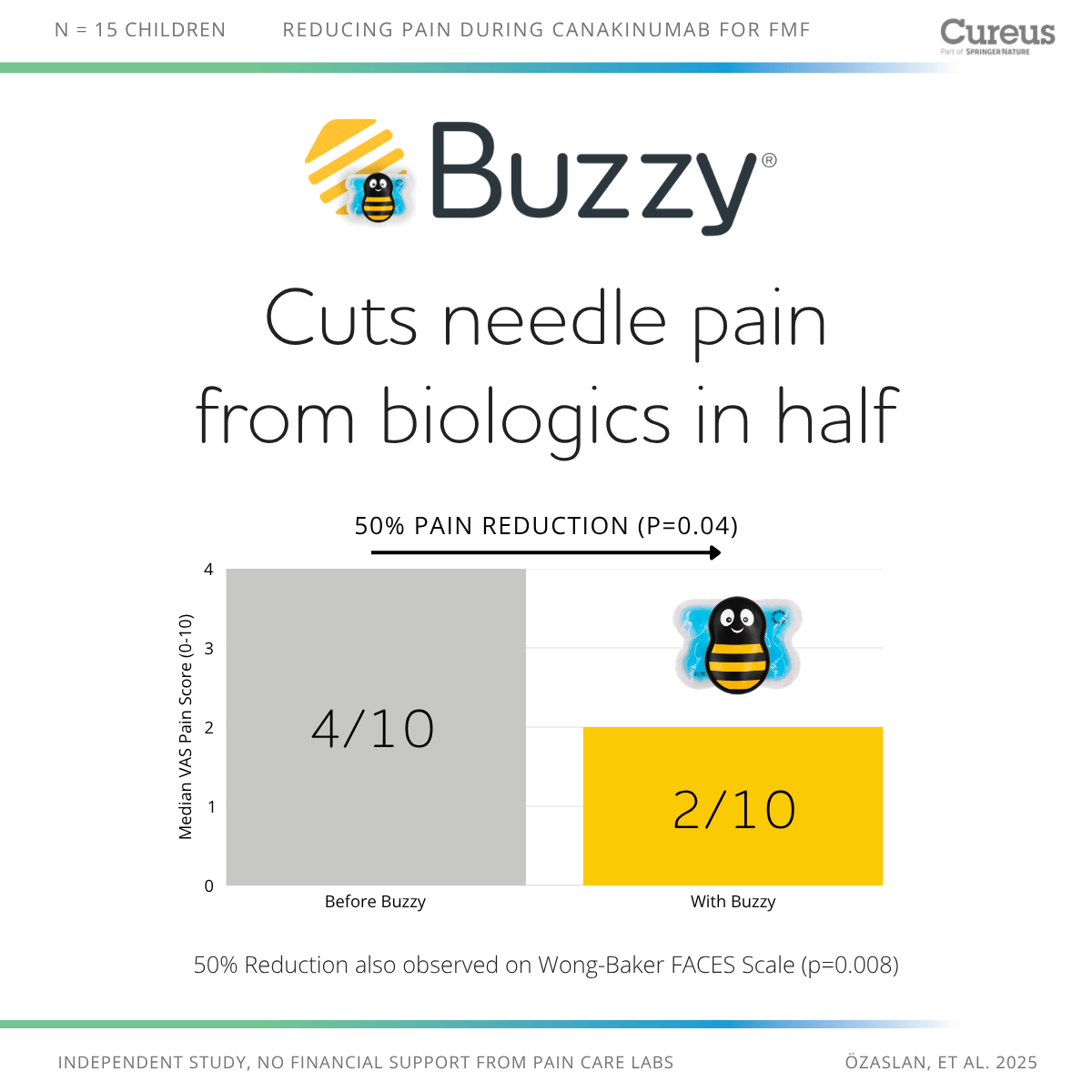
Researchers compared standard injection care with the use of Buzzy during biologic injections and measured pain using validated pediatric pain scales. Children who received Buzzy as an intervention reported significantly lower pain scores than those receiving standard care, demonstrating that procedural pain can be meaningfully reduced while keeping the medication, dose, and injection schedule exactly the same.
Although the trial evaluated children receiving canakinumab, its findings reinforce decades of research on procedural pain across vaccinations, IV placement, blood draws, and other needle procedures. This study shows those same principles can help patients receiving long-term biologic treatment as well.
Like any single study, it has limitations. It focused on a pediatric population receiving one specific biologic. Fortunately, there are over 20 studies looking at intramuscular injections in adults and kids that show the same thing.
The body of research supports an important conclusion: procedural pain isn't fixed. With evidence-based interventions, it can be reduced.
Instead of viewing injection pain as an unavoidable side effect of biologic therapy, we can approach it as another aspect of educating and prepping a patient for the process of finding the right medication regiment. Pain management is care that deserves the same attention we give injection technique, medication education, and long-term adherence.
Here is how to translate that evidence into practical strategies patients can use at home.
How to Help Patients Succeed With Home Biologic Injections
The first home injection is often the moment biologic therapy becomes real.
Up until then, patients have been thinking about treatment. Now they're thinking about giving themselves a needle, or more to the point wondering if they REALLY can..
As clinicians, we naturally focus on having our team teach injection technique as one part of the preparation. We review storage, injection sites, dosing schedules, and safe handling.
To give patients the confidence that they can do the first injection, though, isn’t the same confidence they can successfully do it again next time. That confidence starts with the first injection.
Patients don't need a perfect first injection, they just need a successful one. When people leave their first experience thinking, "That wasn't as bad as I expected," they're much more likely to approach future injections with confidence instead of dread.
Watch: Pain Care Labs: Biologic injections at home, preparing kids & adults for success (not quitting Tx)
One of the simplest ways to help is to normalize what patients are feeling.
Most people are nervous before their first self-injection, even when they're eager to start treatment. Acknowledging that anxiety—and reassuring patients that it usually improves with experience—helps reduce the feeling that they're somehow doing it wrong.
From there, encourage patients to build a routine instead of treating every injection as a new challenge. Preparing supplies ahead of time, choosing a comfortable location, following the same sequence of steps, and taking time to relax before injecting all reduce uncertainty. As the routine becomes familiar, the mental effort required for each injection often decreases as well.
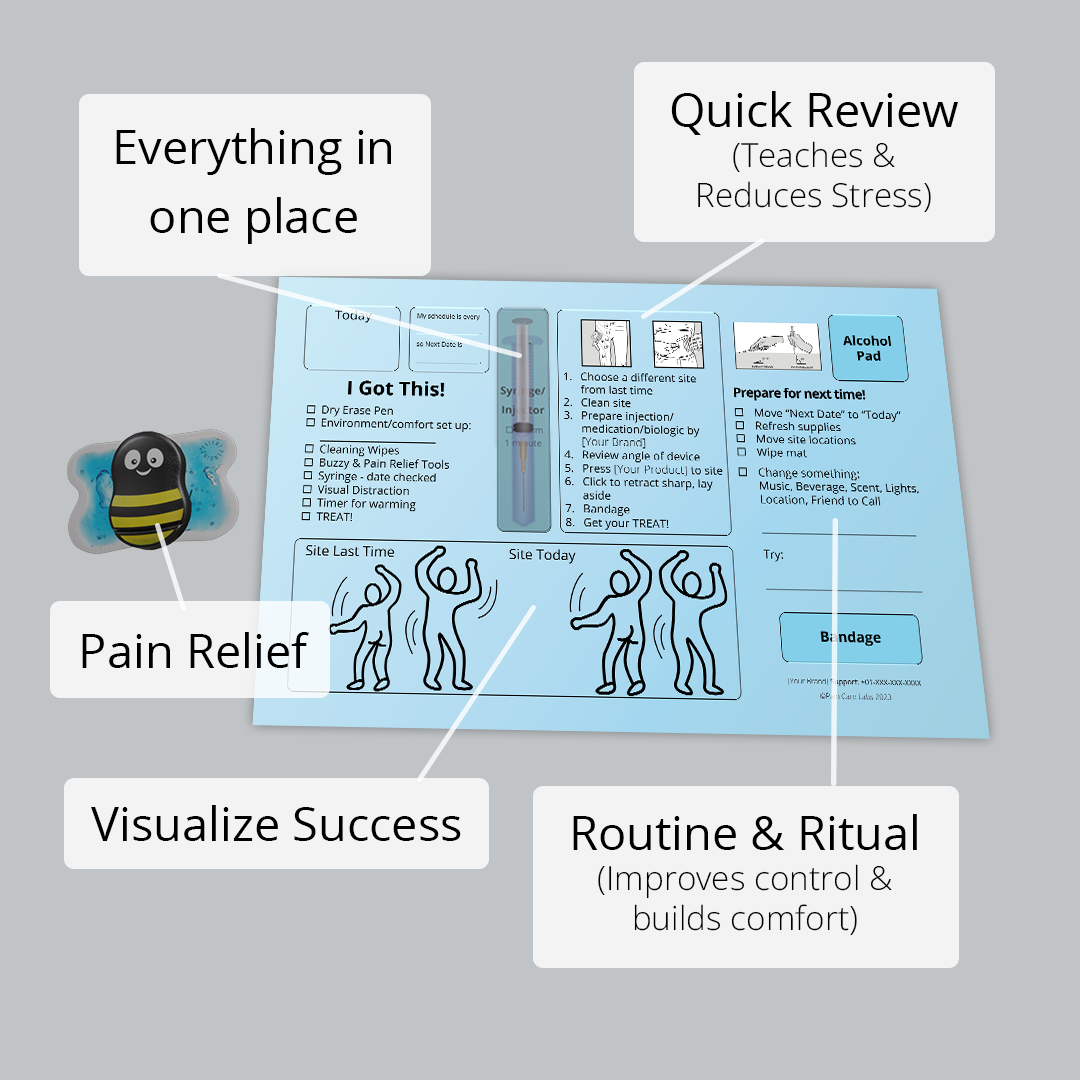
Pain management should be part of that routine from the very beginning, not something patients reach for only after a difficult experience.
The recent biologics study showed that Buzzy can significantly reduce procedural pain without changing the medication itself, making it an evidence-based addition to home injection training for appropriate patients. Incorporating pain management into the first injection helps patients build positive expectations rather than trying to overcome negative ones later.
Placement Matters
Buzzy works by stimulating the nerves that carry touch and temperature signals before pain signals reach the brain.
Positioning the device correctly can improve its effectiveness, and recent biologic injection research has helped refine placement recommendations for common injection sites.
Teaching Buzzy placement during onboarding makes pain management part of a repeatable routine rather than something patients have to figure out on their own.
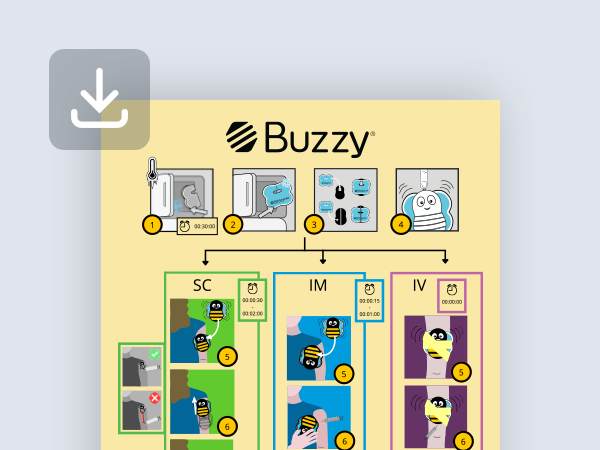
Patients don't remember every detail they hear during an office visit, so providing take-home resources can reinforce what they learned once they're back home.
Whether it's a simple checklist, educational booklet, or demonstration video, the goal is the same: help patients approach each injection with a little less uncertainty and a little more confidence.
Clinician Quick Reference Checklist
Helping patients succeed with home biologic injections isn't about eliminating every moment of discomfort. It's about creating a positive first experience they feel confident repeating.
Before the First Injection
- ✓ Normalize needle fear and reassure patients that anxiety is common.
- ✓ Explain the difference between procedural pain and post-injection soreness.
- ✓ Set realistic expectations about what patients may feel during the injection.
- ✓ Encourage patients to practice the injection routine before their first dose.
During the Injection
- ✓ Follow the medication manufacturer's instructions for preparation and injection technique.
- ✓ Encourage patients to relax the injection site and avoid rushing.
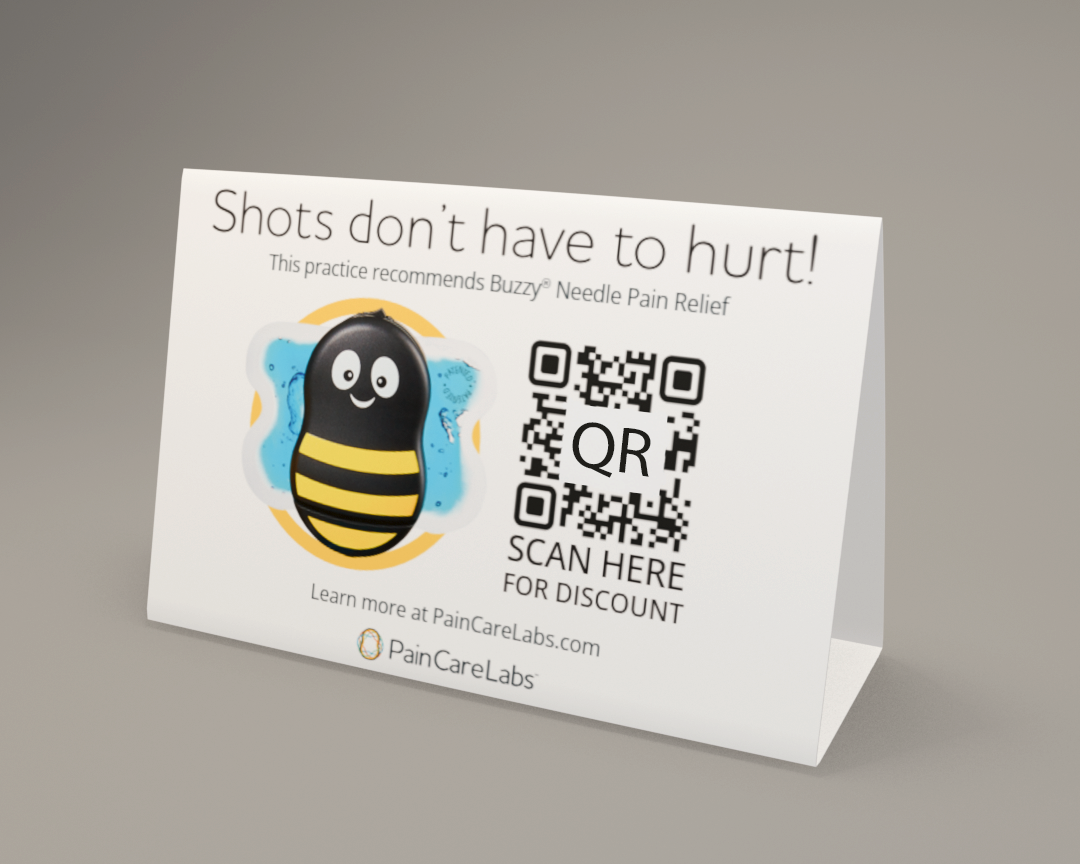
- ✓ Use Buzzy® to provide vibration and cooling during the injection to help reduce procedural pain.
- ✓ Position Buzzy according to the recommended placement guidance for the injection site.
After the Injection
- ✓ Reinforce that completion and possibly having it get easier over time—not perfection—is the goal.
- ✓ Encourage patients to develop and improve their own routine with each injection.
- ✓ Provide educational resources patients can reference before future injections.
Making Pain Management Part of Biologic Onboarding
When we teach patients how to administer a biologic, we're teaching more than a technical skill. We're helping them develop the confidence to manage a chronic condition independently. That means preparing them not only for how to inject, but also for how the experience will feel.
The growing evidence supporting proactive procedural pain management gives us another opportunity to improve the patient experience without changing the medication itself.
By addressing needle pain and anticipatory anxiety during biologic onboarding, clinicians can help patients approach their first home injection with greater confidence and establish routines that support long-term adherence.
Watch: Optimize Home Injections | Buzzy Webinar
If you'd like to explore the research in more depth, we've compiled the evidence behind vibration and cooling for needle procedures—including biologic injections—in the Buzzy Literature Review.
I share this regularly with clinicians who want to incorporate evidence-based pain management into everyday practice - knowing there are over 100 RCTs makes newness easier to digest.
Frequently Asked Questions About Home Biologic Injection Pain
Why do biologic injections sometimes burn or sting?
Not all injection discomfort comes from the needle itself. Some biologic medications can cause a burning or stinging sensation because of their formulation, volume, or how quickly they're injected.
Anxiety and muscle tension can also make the experience feel more painful. Understanding these factors helps set realistic expectations and teach strategies that improve patient comfort.
Can reducing injection pain improve medication adherence?
Pain is only one factor that influences adherence, but it's an important one. A difficult first injection can increase anticipatory anxiety and make future injections feel more intimidating.
Helping patients have a positive first experience may improve confidence with self-injection and support long-term treatment success.
How can clinicians help patients feel more confident about self-injection?
Confidence starts before the first dose. Normalize anxiety, demonstrate proper technique, encourage patients to practice the injection routine, and discuss evidence-based ways to reduce procedural pain.
Patients who feel prepared are often more confident when it's time to inject at home.
Does Buzzy interfere with biologic medications?
No. Buzzy doesn't alter the medication or the injection itself. It works by combining vibration and cooling to reduce procedural pain during the injection without affecting the biologic therapy.
Where should Buzzy be placed during a biologic injection?
Placement depends on the injection site and the nerve pathways involved. For the best results in the arm, Buzzy should be positioned next to the shoulder joint. For the stomach, refer to the placement guidance for the specific injection location. Teaching proper placement as part of biologic onboarding helps patients use the device consistently and effectively at home.
A Better First Injection Can Change Everything
One of the things I've learned after years of studying needle pain is that patients rarely remember only the needle. They remember how prepared they felt, whether their concerns were heard, and whether they left believing they could do it again.
For patients starting biologic therapy, that first home injection can shape every one that follows. By combining thoughtful education with evidence-based pain management, we have an opportunity to make the patient experience more comfortable, build confidence from the very beginning, and help patients stay focused on what matters most—getting the full benefit of a therapy that can improve their lives.
Related Resources
Research
- New Science: Vibration and Cooling Reduce Pain During Canakinumab (Biologic) Injections (PubMed)
https://pubmed.ncbi.nlm.nih.gov/40291186/
Patient Education
- How to Use Buzzy
- What Works for Needle Fear Booklet
https://paincarelabs.com/hubfs/NFEK%20-%20Needle%20fear%20education%20Booklet_12-2022_01.pdf?hsLang=en - What Works for Needle Pain Booklet
https://paincarelabs.com/hubfs/What%20Works%20for%20Pain%20Booklet%2002.pdf?hsLang=en
Videos
- Biologic Injections at Home: Preparing Kids & Adults for Success
https://www.youtube.com/watch?v=9oF9THVewjg - Optimize Home Injectables Webinar
https://youtu.be/5VNRM_ZFrmw?si=VLFZXmvUYd_wmdIW